
VASOR-2
Vermont Assessment of
Sex Offender Risk - 2
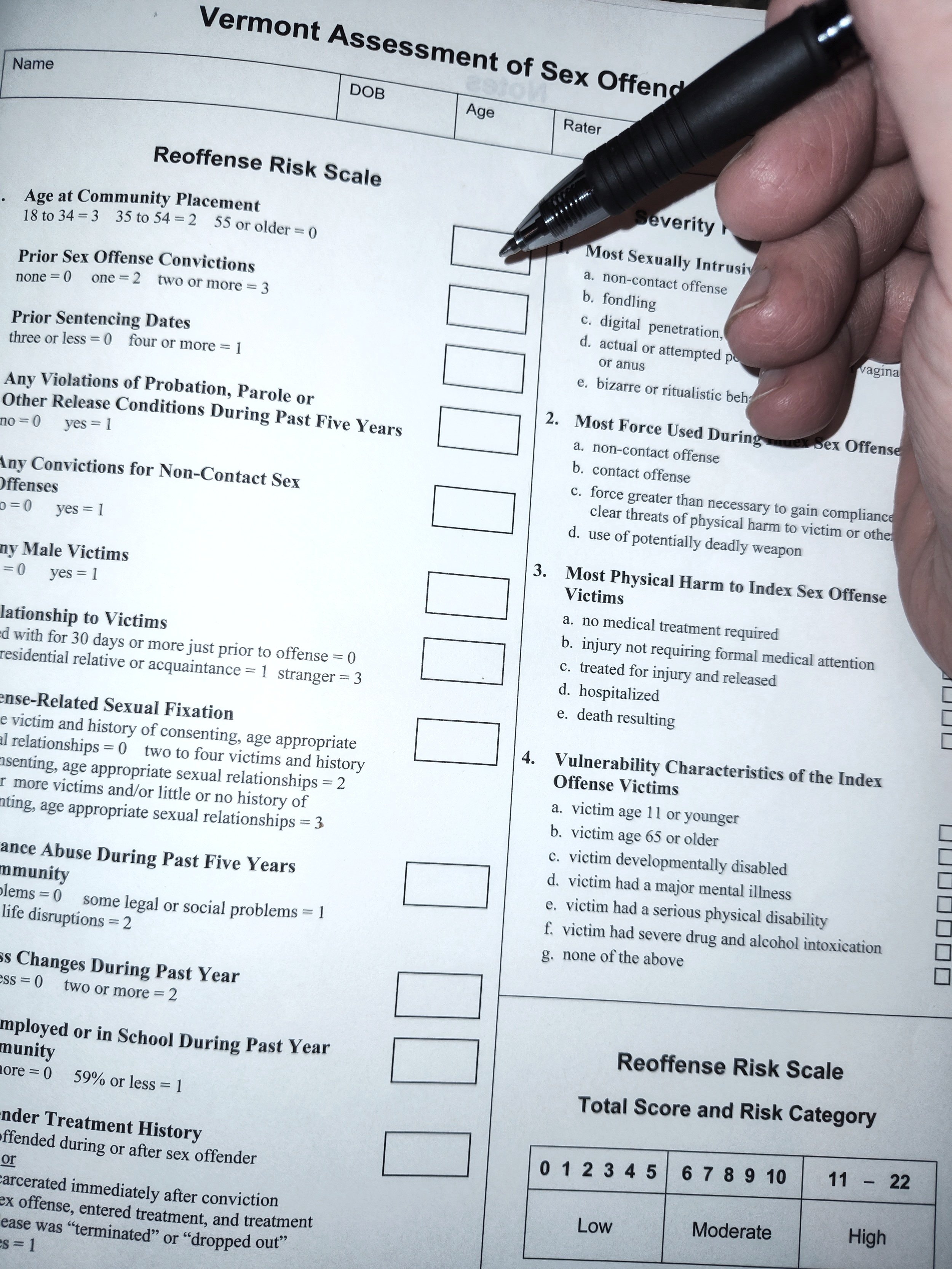
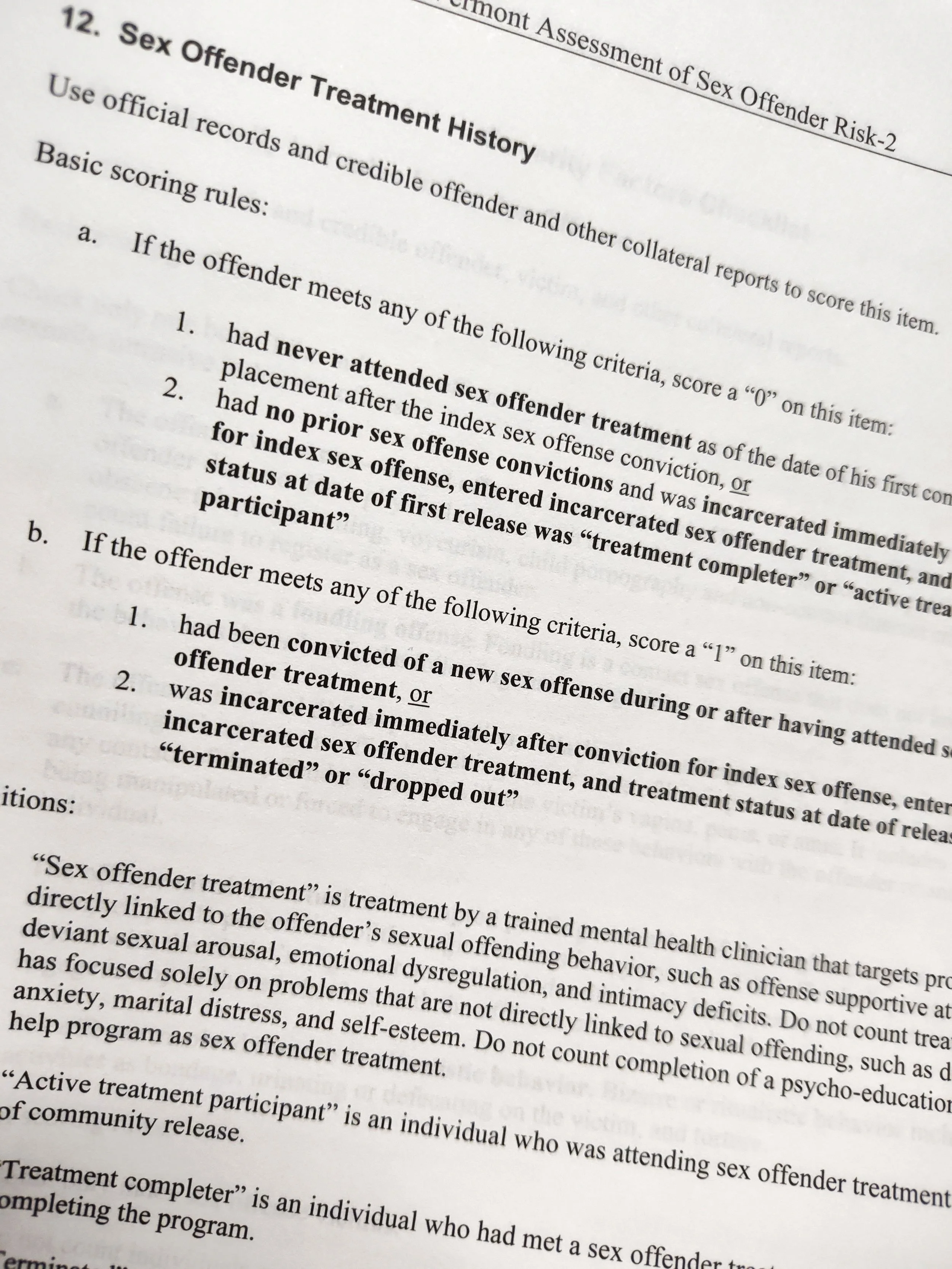
The VASOR-2 is designed to assess risk among adult males who have been convicted of at least one qualifying sex offense. It is composed of a 12-item Reoffense Risk Scale and a 4-item Severity Factors Checklist. The Reoffense Risk Scale is statistically derived and is designed to assess risk for sexual and violent recidivism. The Severity Factors Checklist is clinically derived and is designed to describe the severity of sex offenses.
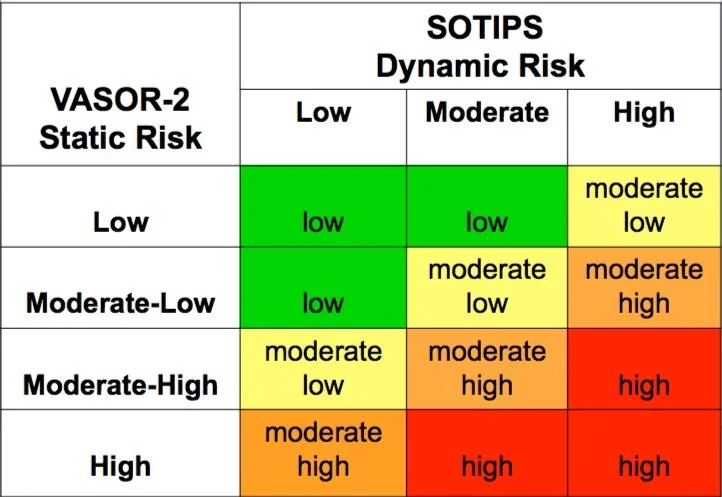
The VASOR-2 can be used as part of a combined static and dynamic risk assessment approach, such as with the SOTIPS. Combined SOTIPS/VASOR-2 scores have predicted sexual recidivism better than either instrument alone.
Background
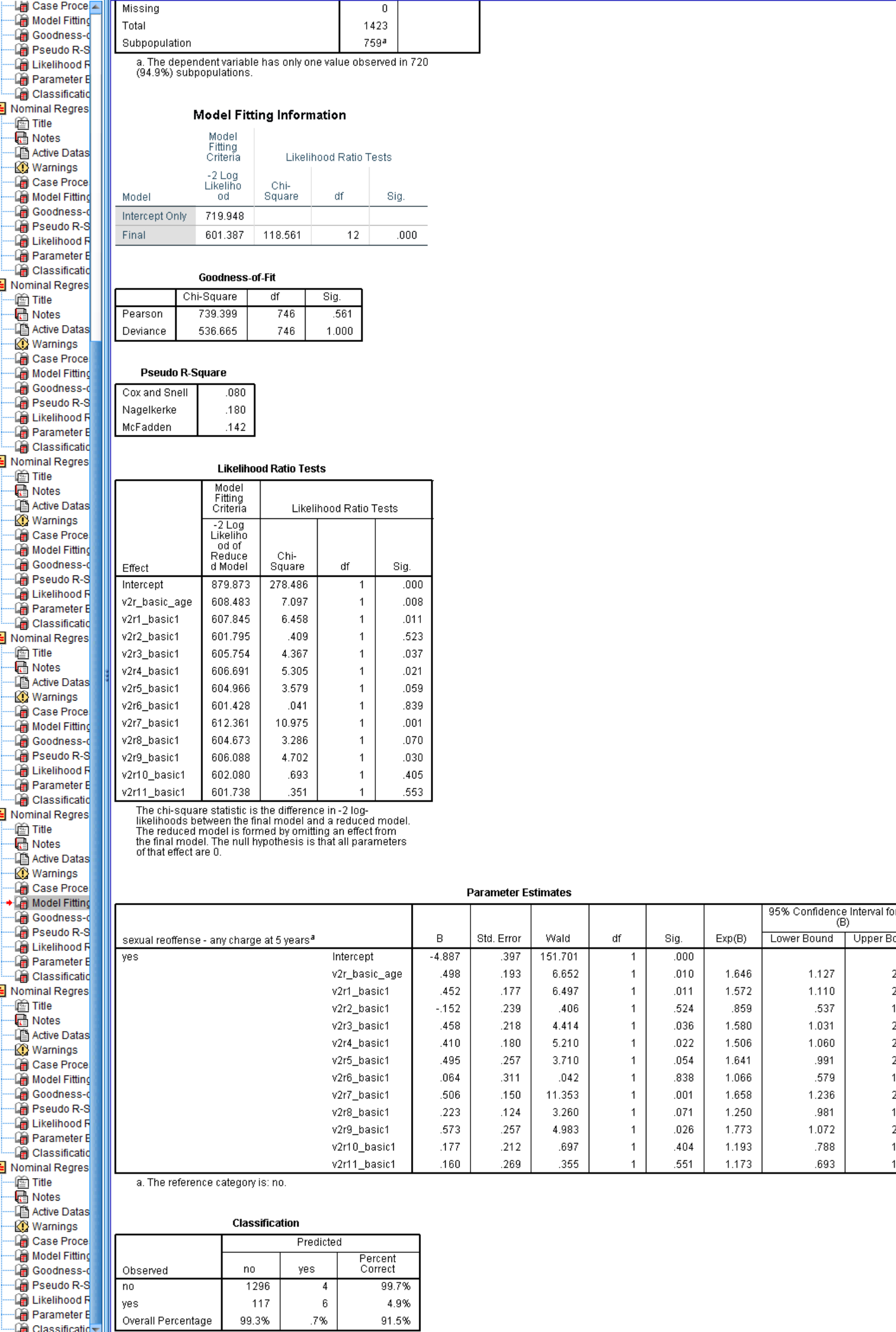
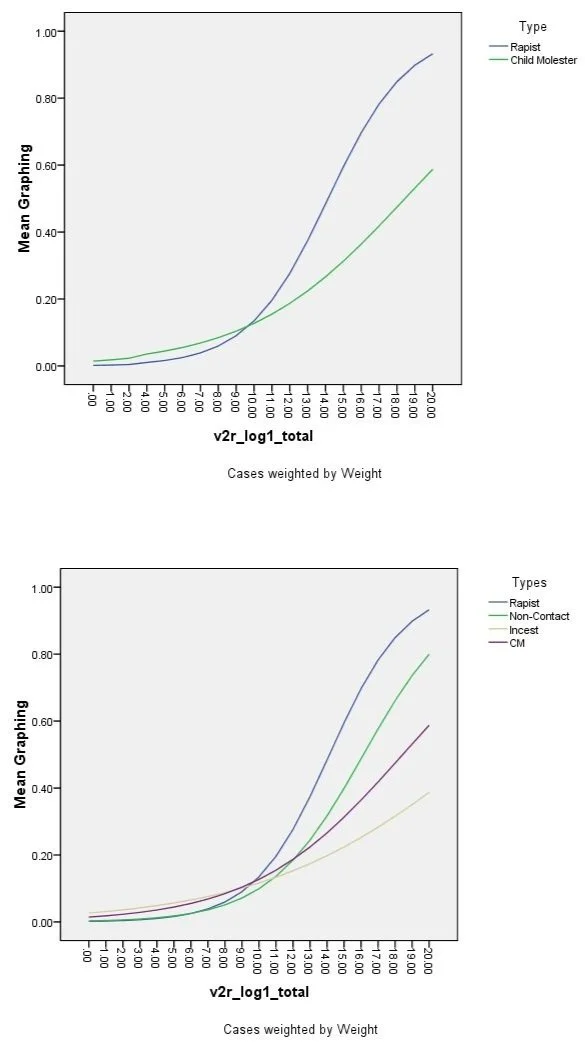
The original VASOR was developed in the 1990s, making it one of the first actuarial risk assessments for sexual recidivism. It included a 13-item Reoffense Risk scale and a six-item Violence Scale. Although there was some evidence of predictive validity, it was developed from a conceptual framework during a period when little empirical information on this type of assessment was available.
Many years later, the VASOR was adopted by my jurisdictions throughout the United States, often by probation and parole departments or other authorities responsible for offender decision-making. However, during this time, many advances in the field of risk assessment were made, such as having an improved understanding of the relationship between age and re-offense risk and the intersection of static and dynamic risk factors.
The VASOR-2 demonstrated major improvements on the original VASOR. First, the individual items of the VASOR were examined for their predictive validity; items which were not supported were removed and an “age” item was added. Second, the item weights were simplified to improve consistency in score. Third, the Violence Scale was renamed the Severity Factors Checklist, and its relationship with the Re-offense Risk Scale is now better explained.
Frequently Asked Questions
-
Details regarding development of the VASOR-2 are located in the 2014 paper published in Sexual Abuse.
Data from the Severity Factors Checklist is also discussed in the 2015 article in the Journal of Interpersonal Violence, which addresses the stability of offending behaviors.
-
The VASOR-2 follows the Static-99R convention for its target population: adult males convicted of at least one “Category A” sex offense committed on or after their 18th birthday.
-
The VASOR-2 was designed to be scored by clinicians, correctional caseworkers, and probation and parole officers.
Although professionals who have an understanding risk assessment principles can use the VASOR-2 by carefully following the manual, participating in a VASOR-2 training is recommended.
-
There is not a formal schedule of VASOR-2 trainings. If you’d like to see if there is an upcoming training near you, or would like to learn more about scheduling a training for your organization, feel free to contact us.
We are also working on adding On-Demand training for the VASOR-2 to DynamicPsych.net, check back soon for more details.
-
The VASOR-2, in its published form, is freely available for qualified users.